

Binance Hack Explained: What Happened and What Users Should Do Now
Binance was hit by what is reported as the largest crypto theft on record. What we know so far, what is still unconfirmed, and how to avoid the fake refund scams that follow.
In this article
Last updated: 30 October 2026, 9:00 PM MYT. This is a developing story; we update it as official information changes.
Short answer: On 29 October 2026, attackers drained funds from Binance’s internet-connected “hot wallets”. News reports put the amount targeted at up to US$6.3 billion, which would make it the largest crypto theft on record. Binance paused deposits and withdrawals, says user funds are safe and that it will cover all losses. More than US$3 billion has reportedly been frozen. The final loss is not yet confirmed.
Cyndia’s take: Honestly, this one gave me chills. If the biggest exchange in the world can lose billions because of one laptop, none of us should treat an exchange like a bank. Please don’t panic-sell and don’t click any “refund” link that lands in your DMs this week — the hack is the headline, but the fake compensation scams are what will actually hurt people around us.
What happened
- When: Thursday, 29 October 2026, when users began reporting funds being drained from Binance wallets (TechCrunch).
- How much: Early estimates ranged from at least US$2 billion to over US$5 billion. Later reports say attackers targeted up to US$6.3 billion (ABC News, NBC News).
- Which coins: Around 30–40 tokens were reportedly affected, including Bitcoin, Ethereum, USDT and USDC (ABC News).
- How: Binance said the attackers may have gained access to a staff member’s laptop. It said it found “no evidence of any wallet private key leak” (ABC News).
What Binance and others have done
- Paused deposits and withdrawals on multiple networks while security checks run.
- Said user funds are safe and that it will cover all losses. Founder Changpeng Zhao (CZ), who no longer runs the exchange, posted that he expects users to be “fully covered” (Bloomberg).
- Stablecoin freezes: Tether reportedly froze about US$1.56 billion and Circle about US$800 million linked to the attack (TechCrunch). In total, more than US$3 billion was reported frozen (ABC News).
- Law enforcement: Binance says it is working with law enforcement.
Who is behind it?
Not confirmed. A blockchain forensics expert told ABC News that North Korea-linked Lazarus Group is likely to be a focus of the investigation. Lazarus was blamed for the previous record theft, about US$1.5 billion from Bybit in February 2025. Treat any claim about the attackers as unconfirmed until officials say so.
Market reaction
The hack shook crypto prices, with Bitcoin and Ether falling as the news spread (CNBC). We do not give price predictions or investment advice.
What Binance users should do now
- Don’t panic-move funds to sites or wallets you don’t know. Withdrawals are paused on many networks anyway.
- Only trust Binance’s official app, website and verified social accounts for updates. Binance itself warned users not to trust unofficial links or requests for account details.
- Ignore anyone offering a “refund”, “compensation form” or “recovery service” by DM, email, Telegram or WhatsApp. These are classic follow-up scams after big hacks.
- Never share your password, 2FA codes, seed phrase or ID photos with anyone who contacts you.
- When withdrawals reopen, check the address carefully. Scammers use look-alike addresses (“address poisoning”). Use our free USDT address checker before you send.
- Turn on extra security: a hardware security key or authenticator app, withdrawal whitelist and anti-phishing code.
The scams that always follow a big hack
After major crypto incidents, scammers move fast. Watch for:
- Fake “Binance compensation” websites asking you to connect your wallet or log in.
- Fake support agents in Telegram groups and comments.
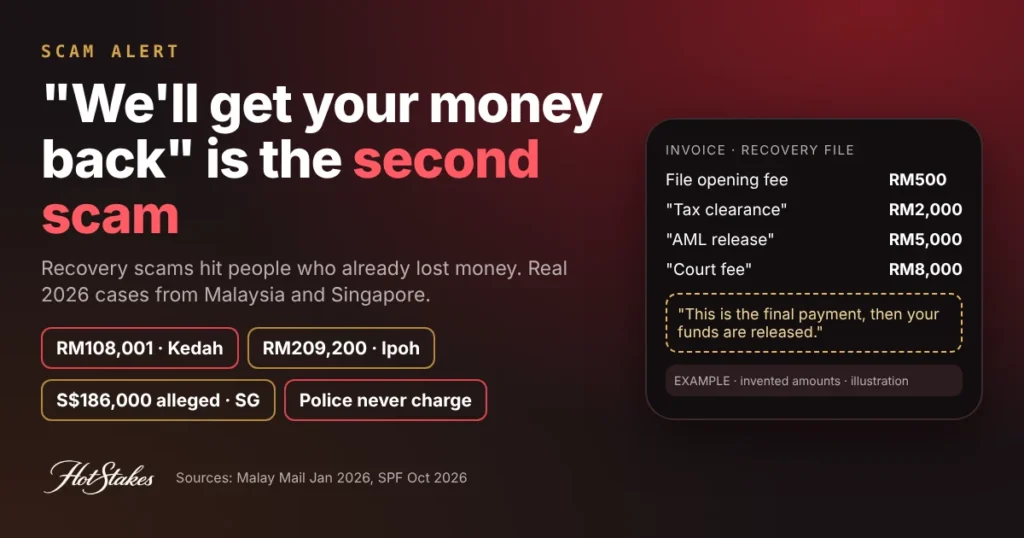
- “Recovery experts” who promise to get your coins back for a fee. Read how recovery scams work.
- Messages that create panic: “your account will be frozen unless you verify now”.
If you have been scammed in Malaysia, call the National Scam Response Centre on 997 as soon as possible.
FAQ
Is my money on Binance safe? Binance says user funds are safe and that it will cover all losses. Withdrawals are paused while it investigates. Follow only Binance’s official channels for updates.
How much was stolen in the Binance hack? Reports say up to US$6.3 billion was targeted, with more than US$3 billion frozen. The final amount actually lost has not been confirmed.
Who hacked Binance? Not confirmed. Investigators are reportedly looking at the North Korea-linked Lazarus Group, but no official attribution has been made.
Will Binance refund users? Binance says it will cover losses. It has not asked users to fill in any refund form by message. Anyone asking you to do that is very likely a scammer.
Related reading
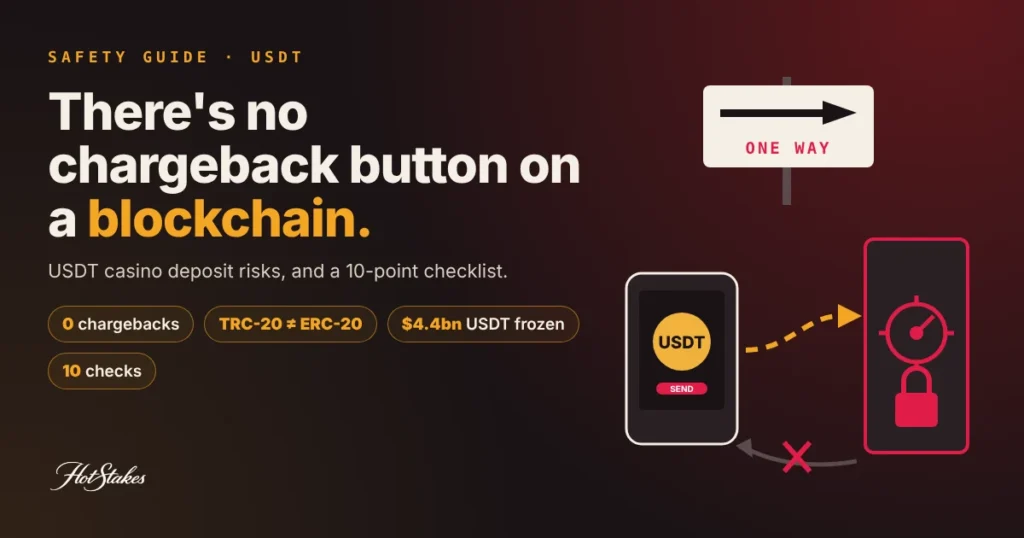
- USDT casino deposit risks: a 10-point safety checklist
- Pig-butchering scam: how it works and red flags
- Recovery scams: why “we’ll get your money back” is a trap
- Withdrawal under review after KYC: normal check or scam?
Sources: TechCrunch, ABC News (Australia), Bloomberg, NBC News, CNBC — all 29–30 October 2026. Information only, not financial advice.
 Next story →Fake Bank Login Page: 10-Second Check and What to Do Next


Start the discussion