

Pig-Butchering Scam: How It Works, Red Flags, What to Do
How pig-butchering (sha zhu pan) scams work in 4 stages, the latest FBI, Malaysian and Singapore loss figures, red flags and who to call.
In this article
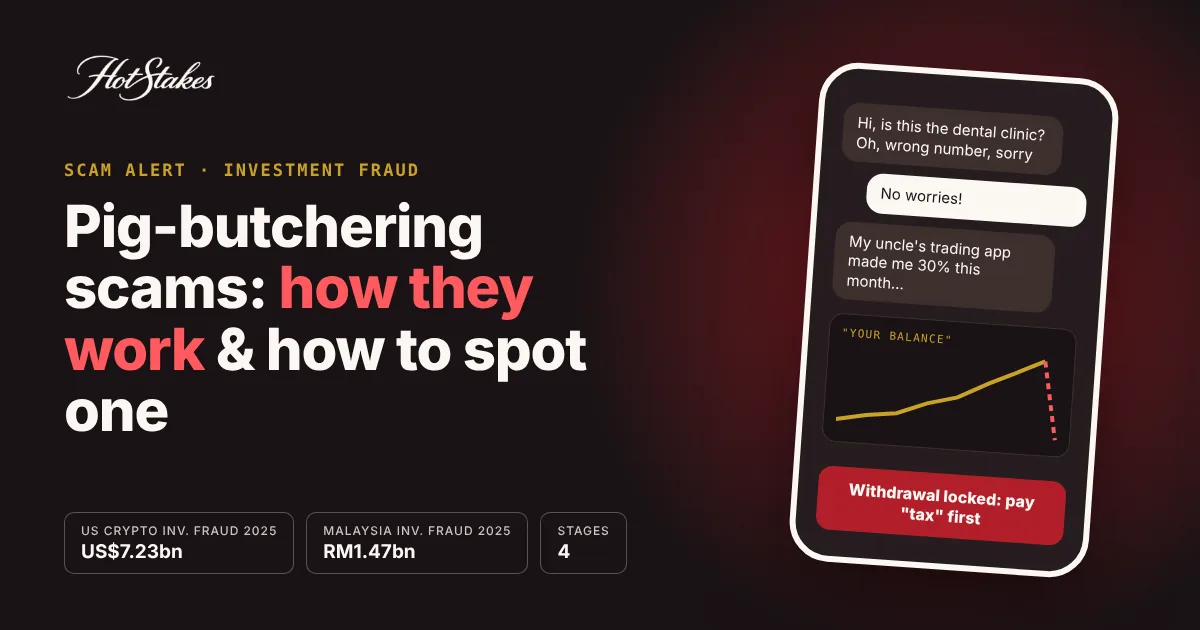
A pig-butchering scam (shā zhū pán) is a slow-burn investment fraud. A stranger spends weeks becoming your friend or partner, steers you onto a slick trading platform that shows huge profits, then blocks withdrawals and keeps asking for “fees” until you stop paying. The profits on screen are fabricated: the only real money in the whole story is yours, moving out of your account and into the scammers’ wallets. Below, Cyndia’s team breaks down the four stages, the latest police and FBI numbers, the red flags and what to do in the first 24 hours.
Where the name “pig butchering” comes from
The US Treasury’s financial-crime unit spelled it out in its FinCEN alert on pig-butchering investment scams (FIN-2023-Alert005, 8 September 2023). The name comes from a Chinese term that loosely translates as “pig butchering”. The scam works like fattening a hog before slaughter. Scammers call their targets “pigs”, spend time building trust, and then “slaughter” them by taking everything they have invested.
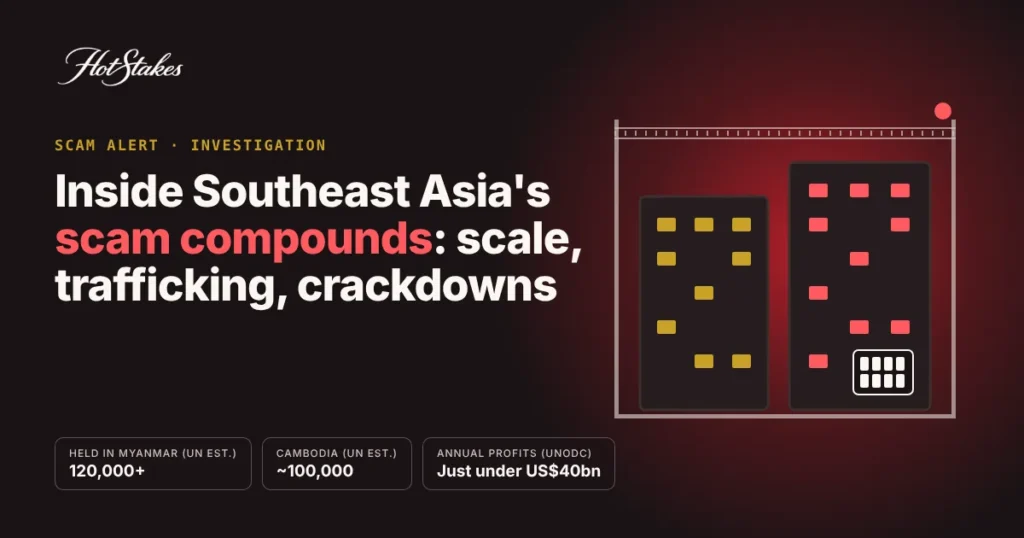
The same alert says these schemes are mostly run by criminal organisations based in Southeast Asia. Those groups use victims of labour trafficking to reach millions of people. In other words, the friendly stranger texting you may be a captive themselves. Our explainer on how Southeast Asia’s scam compounds operate covers that side of the story.
Takeaway: “Pig butchering” describes the method. The scammers fatten you up with trust and fake gains first, then take everything at once.
How a pig-butchering scam works, step by step
FinCEN describes four stages. Malaysia’s Bukit Aman Commercial Crime Investigation Department (CCID) has described the same pattern in local cases, according to Malay Mail’s report on CCID investment-fraud figures. Victims are approached on Facebook or Instagram, then moved to WhatsApp or Telegram, and payments are increasingly demanded in USDT.
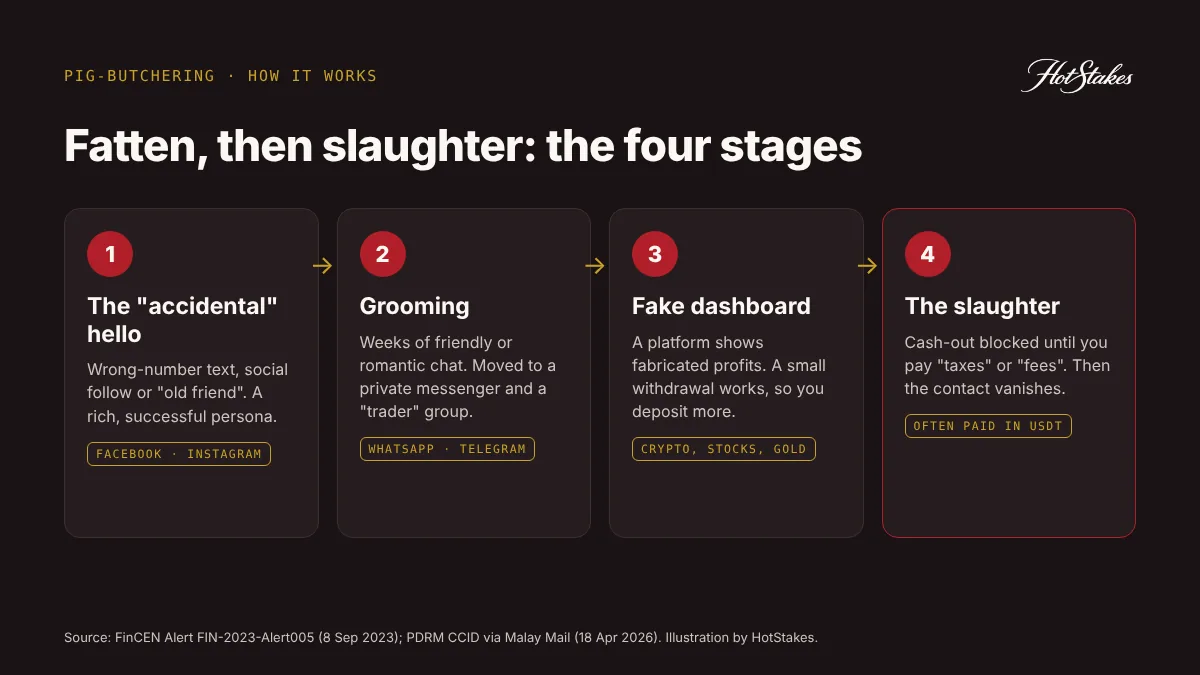
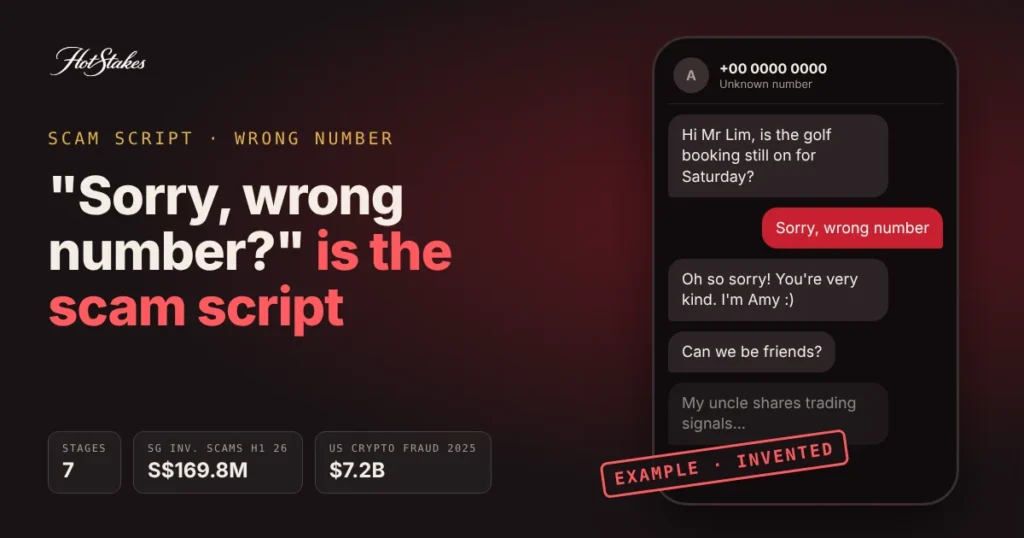
- The “accidental” hello. A message arrives out of nowhere: a wrong number, a social-media follow, or someone claiming to be an old acquaintance. The persona often shows off a wealthy lifestyle or poses as a successful investor (FinCEN).
- The grooming. Days or weeks of friendly chat, sometimes romance. Then the conversation moves to a private messenger, often into an “investment group” run by supposed professional traders (CCID, via Malay Mail).
- The pitch and the fake dashboard. You are introduced to a crypto, stock or gold “platform”. It shows extraordinary returns that are fabricated. A small early withdrawal may be allowed so you trust it and deposit more. FinCEN notes some victims borrow against their homes or cash out retirement savings at this stage.
- The slaughter. When you try to cash out, or stop depositing, the platform demands taxes, processing fees or other charges first. Paying them releases nothing. Eventually the contact disappears with the whole balance.
Takeaway: The opening message is not the warning sign. The warning sign is a new online contact steering you to a platform you have never heard of.
The numbers: how much pig-butchering-style fraud costs
Police rarely publish a separate “pig butchering” line, so the figures below cover investment scams as each agency defines them. Pig-butchering is a major part of that category, but not all of it.
| Market | Period | Category | Cases | Reported losses |
|---|---|---|---|---|
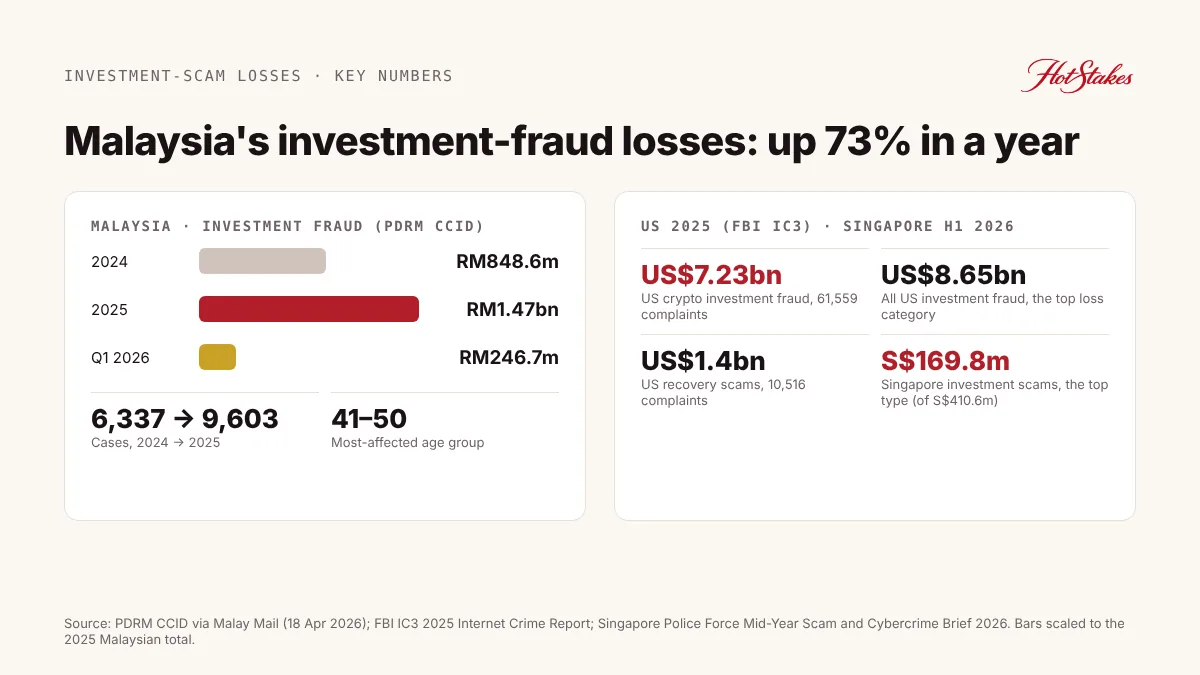
| United States (FBI IC3) | 2025 | Crypto investment fraud | 61,559 complaints | US$7.228 billion |
| United States (FBI IC3) | 2025 | All investment fraud | 72,984 complaints | US$8.65 billion |
| Malaysia (PDRM CCID) | 2025 | Investment fraud | 9,603 | RM1.47 billion |
| Malaysia (PDRM CCID) | 2024 | Investment fraud | 6,337 | RM848.6 million |
| Singapore (SPF) | Jan–Jun 2026 | Investment scams | 2,256 | S$169.8 million |
In the US, the FBI’s 2025 Internet Crime Report logged 1,008,597 complaints and US$20.877 billion in total losses. Investment fraud was the costliest category, and people over 60 reported US$7.748 billion in losses across all crime types. The FBI’s Operation Level Up contacts people who are being scammed while it is still happening. It notified 3,780 victims in 2025 and estimates it saved them about US$225.9 million.
In Malaysia, investment-fraud losses rose from RM848.6 million in 2024 to RM1.47 billion in 2025, a 73% jump. Another RM246.7 million was lost in the first quarter of 2026 alone (CCID, via Malay Mail). Police say people aged 41 to 50 are the hardest hit. In Singapore, the police’s Mid-Year Scam and Cybercrime Brief 2026 ranks investment scams as the top type by losses: S$169.8 million out of about S$410.6 million lost to all scams in the first half of 2026.
Takeaway: Investment scams are the costliest fraud category in both the US and Singapore figures, and Malaysia’s investment-fraud losses jumped 73% in a single year.
Red flags: how to spot a pig-butchering scam early
Any one of these on its own is reason to stop. Two together almost always mean a scam. The list combines FinCEN’s red-flag indicators with the methods Malaysian police describe.
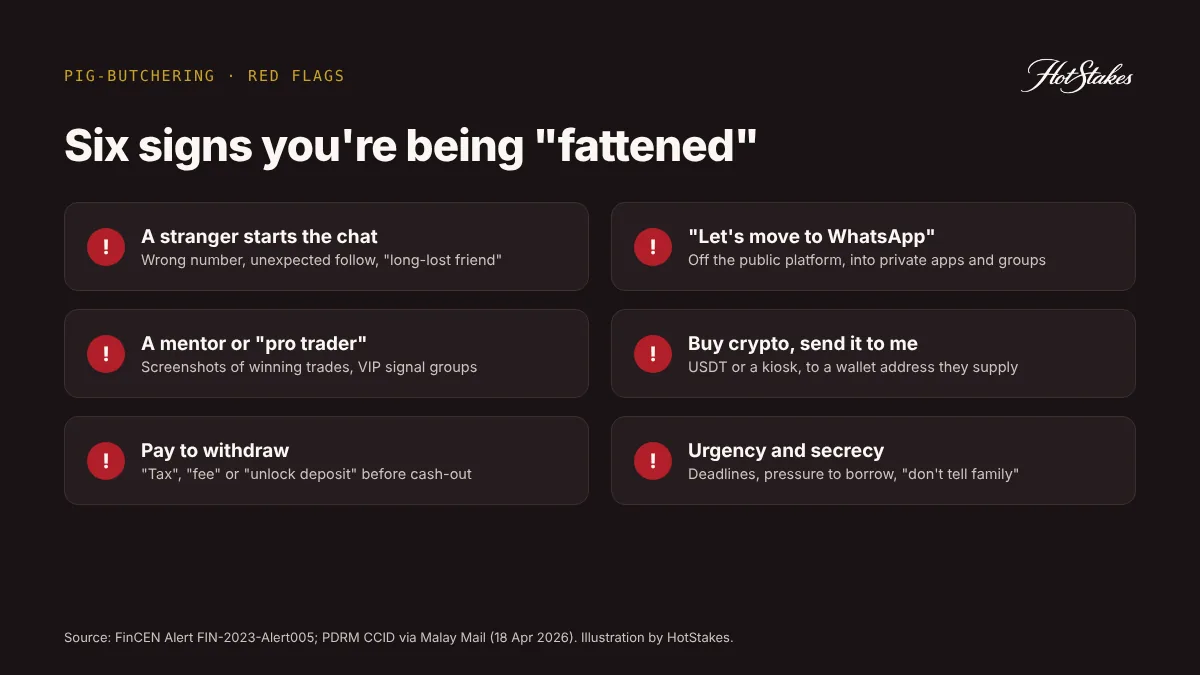
- A stranger starts the conversation: a wrong-number text, an unexpected follow, or a “long-lost friend” who keeps chatting after the mix-up.
- They move you off the platform where you met, from Facebook or Instagram to WhatsApp or Telegram.
- A mentor, “professional trader” or VIP group appears and shares screenshots of winning trades.
- An app or website you can’t verify. Check it against your regulator’s public register first. Our guide to checking licences on public registers applies to trading sites too.
- You’re told to buy crypto (often USDT) and send it to a wallet address they give you. FinCEN singles out instructions to use crypto kiosks.
- A small withdrawal works, a big one doesn’t. Then come “taxes”, “verification deposits” or “unfreezing fees”. FinCEN describes demands for new money to unlock a balance as the scam’s final stage. Our explainer on what a normal withdrawal hold looks like shows the difference.
- Urgency and secrecy: deadlines, “limited slots”, pressure to borrow or to keep it from family.
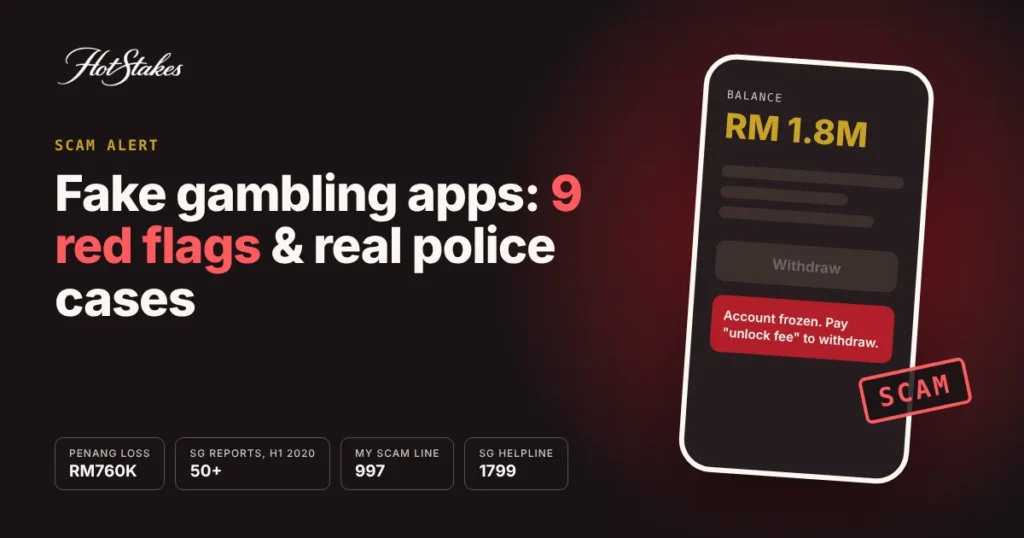
The same grooming-then-platform script turns up in betting: “guaranteed win” tipster groups and fake casino apps. That version is covered in our fake gambling app red flags guide.
Takeaway: When someone you only know online asks you to send crypto to an address they control, treat it as fraud until proven otherwise.
What to do if you think you’ve been targeted
- Stop paying immediately. No “tax”, “fee” or “unlock deposit” will release your balance. FinCEN describes these demands as the scam’s final stage.
- Call your national scam hotline the same day (table below). Malaysia’s NSRC 997 hotline asks victims to report within 24 hours so accounts and transactions can be blocked.
- Call your bank and any crypto exchange you used. Ask them to freeze or flag the transfers.
- File a police report, and keep everything: chat logs, the platform’s URL, wallet addresses, transaction IDs and screenshots.
- Ignore anyone offering to “recover” your money for a fee. The FBI’s 2025 report says victims “are also targeted in recovery scams, claiming to help recover lost funds”. It logged 10,516 recovery-scam complaints and US$1.4 billion in losses.
| Where | Hotline | Hours | What it does |
|---|---|---|---|
| Malaysia | NSRC 997 | 24 hours | Real-time response; can act to block accounts and transactions. Also notify your bank and make a police report. |
| Singapore | ScamShield Helpline 1799 (+65 6869 1799 from overseas) | 24/7 | Checks suspected scams and connects victims to seven major banks. File the police report online via Police eServices. |
| Hong Kong | ADCC Anti-Scam Helpline 18222 | 24 hours | Anti-deception advice. Report the case at a police station; call 999 in an emergency. |
Takeaway: Speed matters more than anything else. Calling within hours, not days, gives banks the best chance to stop the money.
Frequently asked questions
Is pig butchering the same as a romance scam?
They overlap. Malaysian police list “love scams” as one of five methods used in investment fraud. In pig butchering, the friendship or romance is the hook and the fake investment platform is how the money is taken. It doesn’t always start with romance: FinCEN notes wrong-number and “old friend” openers too.
Why did the platform let me withdraw at first?
FinCEN says small early withdrawals are allowed on purpose. They build confidence so you deposit larger amounts. A successful first cash-out is part of the scam, not proof that the platform is real.
Can I get my money back?
Sometimes some of it, if you act fast. That’s why Malaysia’s NSRC asks for reports within 24 hours. The FBI’s Operation Level Up estimates it saved victims about US$225.9 million in 2025 by intervening early. Once crypto has been moved through many wallets, recovering it is much harder.
Someone says they can recover my lost crypto for a fee. Is that real?
Treat it as a second scam. The FBI’s 2025 report specifically flags recovery scams aimed at people who lost money on fake investment platforms. Go to the police or your hotline instead.
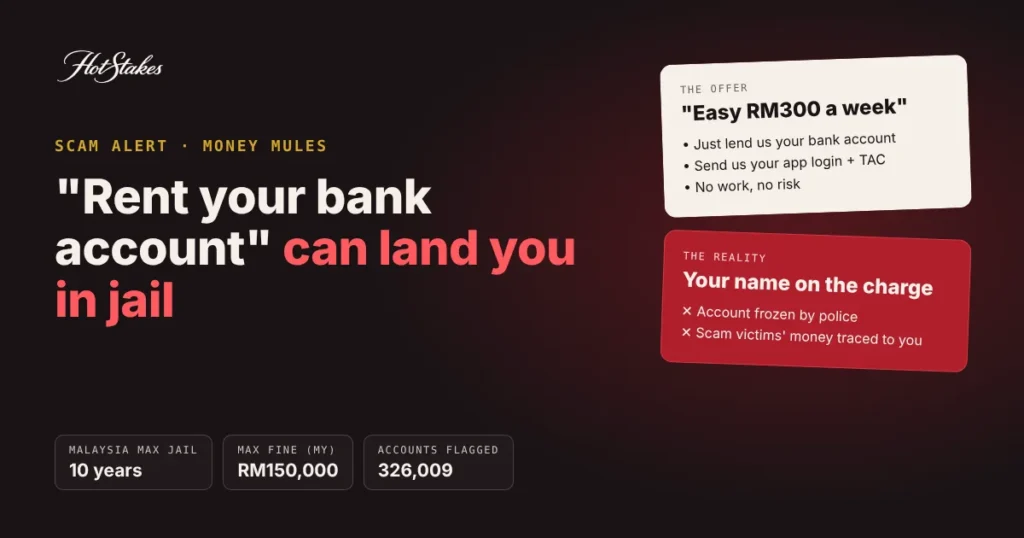
Where does the stolen money go? Usually through rented bank accounts first: our money mule accounts explainer shows how syndicates recruit account holders and what the law says.
HotStakes is an independent directory. Some links on this site are affiliate links; we may earn a commission at no cost to you, and it never changes our rankings. Gambling involves risk — only play with money you can afford to lose, and if it stops being fun, seek help.
Looking for operators checked by Cyndia’s team? Browse vetted operators by currency.
 Next story →Curaçao Licence Reform Explained: What the LOK Changed


Start the discussion