
Is Gambling Bad for You? The Evidence on Both Sides
Is gambling bad for you? Most gamblers are fine, but harm is common and spreads. The evidence, house-edge maths and a 9-question self-check.
In this article
- The short answer: it depends on how, what and who
- The case for: most people who gamble are fine
- The cost: what the evidence says about harm
- The maths nobody puts on the box: what an hour costs
- Gambling good or bad? The signs side by side
- Should I quit gambling? A 9-question self-check
- If you’re worried about someone else
- Tools that put distance between you and a bet
- Where to get help
- FAQ
Is gambling bad for you? For most people who gamble, the honest answer is no, not in a way that wrecks their life. But gambling is a product designed to cost you money over time, harm is far more common than most people assume, and it clusters in young adults, men and fast online games like slots. This guide lays out the evidence on both sides, shows what an hour of play really costs using our own game data, and gives you a 9-question self-check so you can tell which side you are on.
The short answer: it depends on how, what and who
“Is gambling bad?” is really three questions.
- How you gamble: a fixed amount for fun, or money you need, chased after losses.
- What you gamble on: a weekly lottery ticket is a very different product from a slot that spins every few seconds.
- Who you are: age, sex, money pressure and mental health all shift the odds of harm.
The research below doesn’t say “everyone who gambles is in trouble”. It also doesn’t say “it’s harmless fun”. It says the risk is real, measurable and uneven.
Takeaway: the useful question isn’t “is gambling bad?” but “is my gambling, on these products, still under my control?”
The case for: most people who gamble are fine
Start with the side the warnings often skip. Britain’s official Gambling Survey for Great Britain 2024 (published October 2025) asked adults why they gamble.
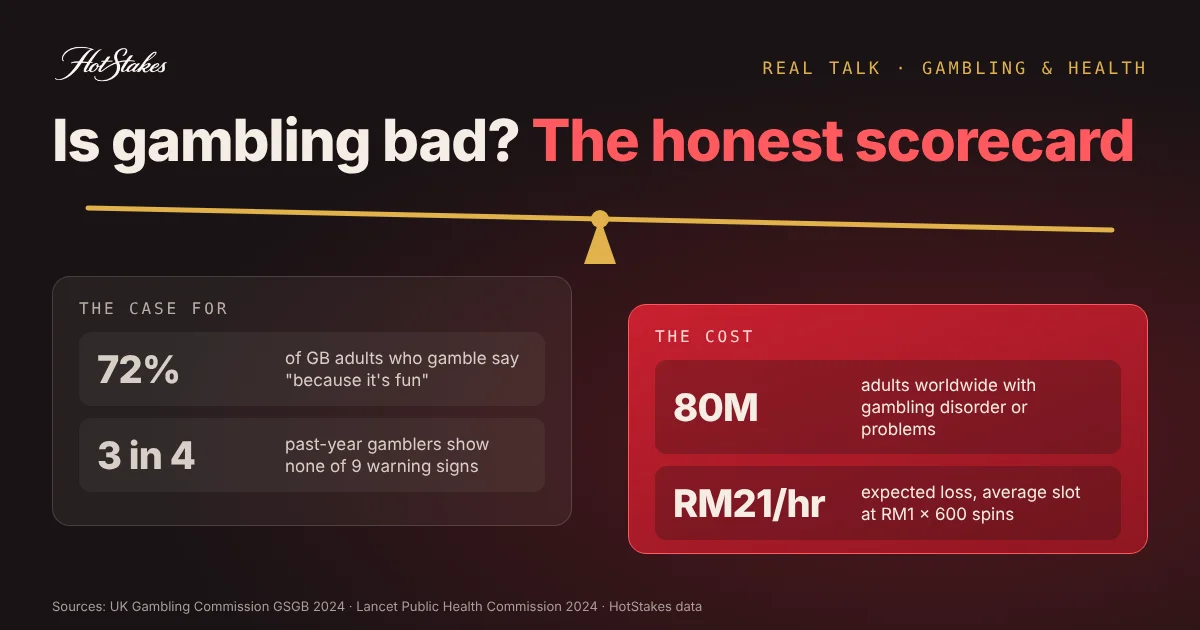
- 72% said at least sometimes “because gambling is fun”.
- 85% said for the chance of winning big money.
- 42% of past-year gamblers rated their last session positively, against 21% negatively.
The same survey scored past-year gamblers on the Problem Gambling Severity Index (PGSI). 14.8% scored 1 to 2 (low risk), 5.3% scored 3 to 7 (moderate risk) and 4.5% scored 8 or more. That leaves roughly three in four with a score of zero.
Singapore tells a similar story. In the NCPG’s 2023 Gambling Participation Survey of 3,007 residents, 40% had gambled in the past year, and the probable problem and pathological gambling rate was 1.1%.
Takeaway: for most people, gambling is a paid-for pastime. Treating every gambler as an addict is wrong, and it makes people tune out the warnings that do apply.
The cost: what the evidence says about harm
How many people are harmed
Low percentages hide big numbers.
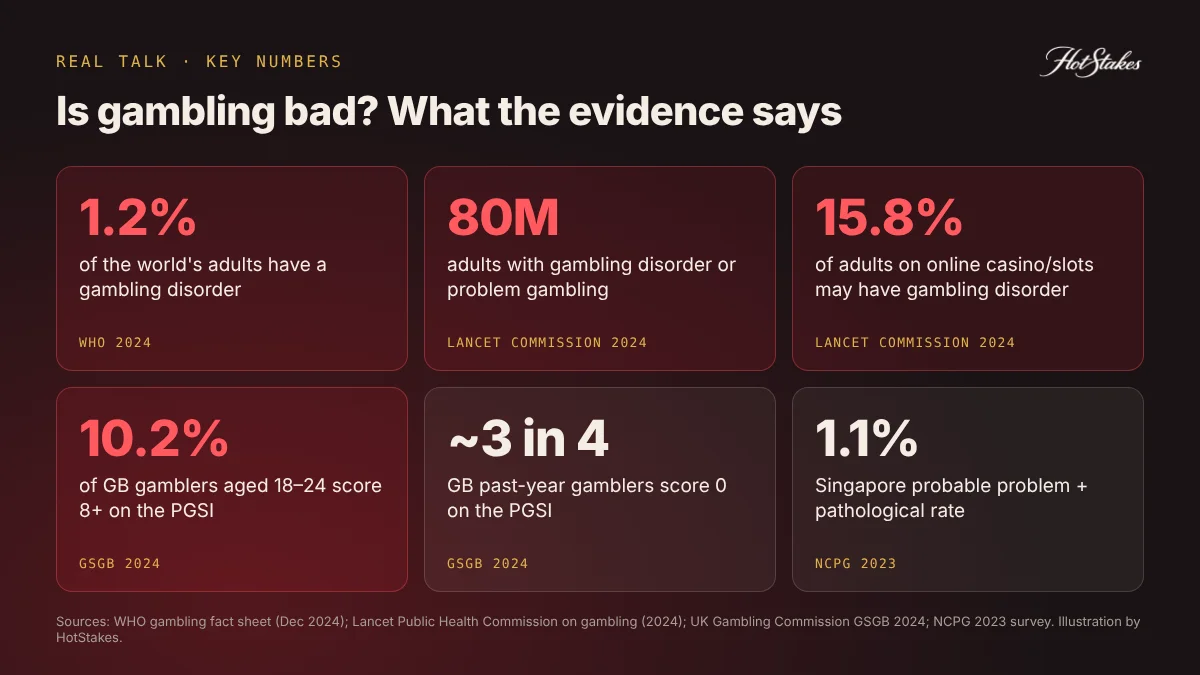
- The WHO’s gambling fact sheet (December 2024) says estimates suggest 1.2% of the world’s adults have a gambling disorder, and that 11.9% of men and 5.5% of women globally experience some level of harm.
- The Lancet Public Health Commission on gambling (2024) estimated 448.7 million adults experience some level of risky gambling, and about 80 million have gambling disorder or problem gambling.
- In Great Britain, 2.7% of all adults scored 8 or more on the PGSI in 2024.
Takeaway: a “small” share of a very large group is tens of millions of people.
Who is most at risk
Harm is not spread evenly. The same data points to the same groups again and again.
- Young adults: 10.2% of past-year gamblers aged 18 to 24 scored 8+ on the PGSI, compared with 0.5% of those aged 75 and over (GSGB 2024).
- Men: 6.0% of male past-year gamblers scored 8+, against 2.8% of women.
- Online slots: the problem-gambling rate among online slot players was around five times higher than among past-year gamblers overall. The Lancet Commission estimated that gambling disorder could affect 15.8% of adults and 26.4% of adolescents who gamble on online casino or slot products.
- People under money pressure: England’s gambling-related harms evidence review (first published 2021, updated 2023) found those at greatest risk are more likely to be unemployed and living in more deprived areas, and typically male and younger.
Why slots? They are fast, continuous and available all day on a phone. Speed matters because, as the next section shows, cost scales with the number of bets.
Takeaway: if you are young, male, and playing online slots, you are in the highest-risk group in the data. That isn’t a verdict, but it is a reason to check.
Harm spreads to people who don’t gamble
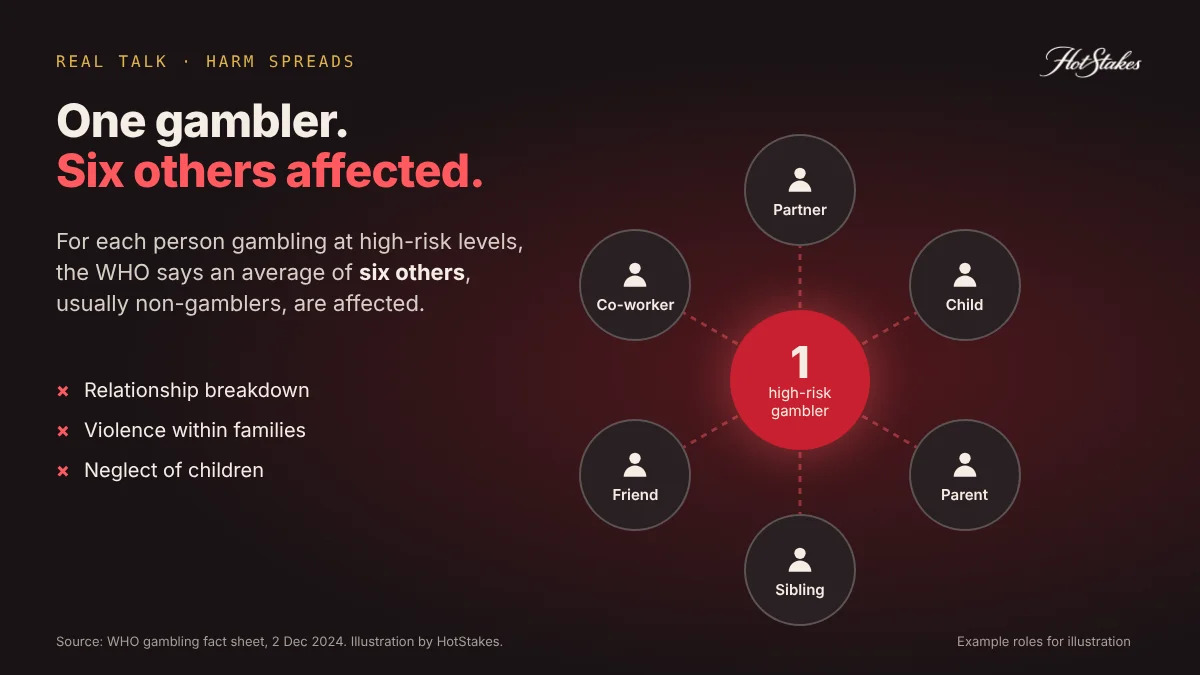
The cost doesn’t stay with the gambler. The WHO puts it plainly: for each person gambling at high-risk levels, “an average of six others (usually non-gamblers) are affected”. It lists relationship breakdown, violence within families and neglect of children among the harms.
In Britain, 48% of adults said someone close to them gambled, and 5.3% of those had experienced at least one severe consequence from that person’s gambling. England’s evidence review estimated around 7% of the population of Great Britain, adults and children, were negatively affected by someone else’s gambling.
Takeaway: if you are a partner, parent or child of someone who gambles heavily, the harm you feel is real and counted in the research.
The maths nobody puts on the box: what an hour costs
Every casino game has a built-in edge. The edge per bet looks tiny. The edge per year doesn’t.
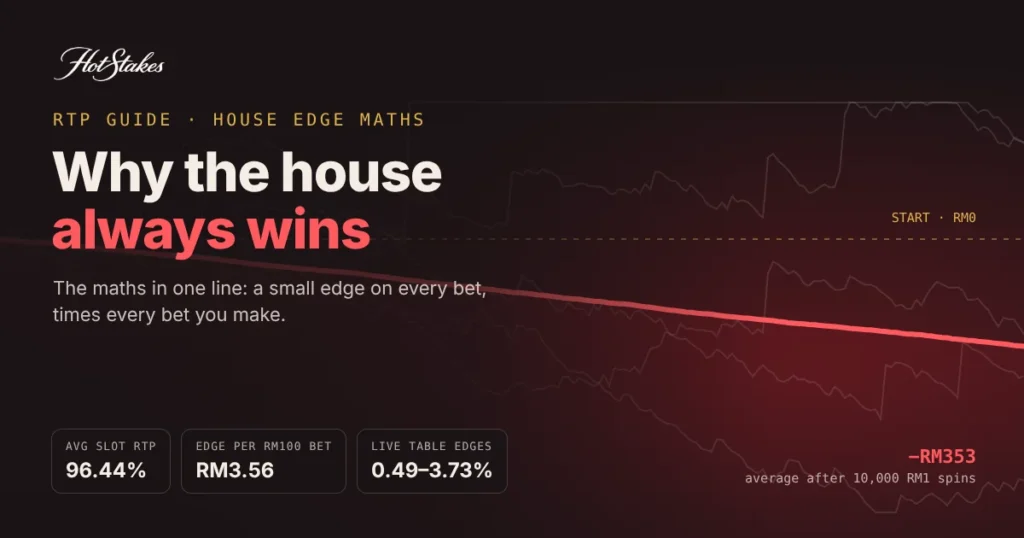
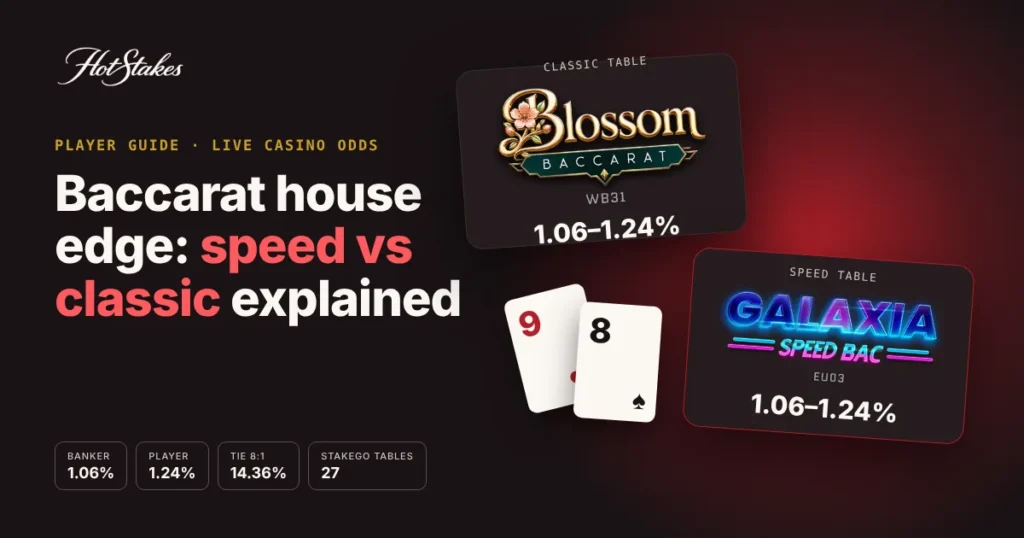
We used our own game data (synced 20 Oct 2026). Across the 424 Hotdog Gaming slots we list, the average RTP is 96.44%, so the house keeps 3.56% of everything wagered over the long run. The Top 30 titles by September 2026 turnover averaged 97.02%. For live tables, StakeGO’s single-zero roulette tables list a 2.7% house edge and the baccarat Banker bet 1.06%.
Our assumptions: slots at RM1 a spin and 600 spins an hour (one every six seconds); roulette at RM10 a spin, 40 spins an hour; baccarat Banker at RM10 a hand, 60 hands an hour. Expected loss = amount wagered x house edge. “Per year” means one hour a night, every night.
| Game (our data) | House edge | Wagered per hour | Expected loss per hour | One hour a night for a year |
|---|---|---|---|---|
| Average slot (424 titles) | 3.56% | RM600 | RM21.36 | about RM7,800 |
| Average Top 30 slot | 2.98% | RM600 | RM17.89 | about RM6,530 |
| Roulette | 2.7% | RM400 | RM10.80 | about RM3,940 |
| Baccarat, Banker bet | 1.06% | RM600 | RM6.36 | about RM2,320 |
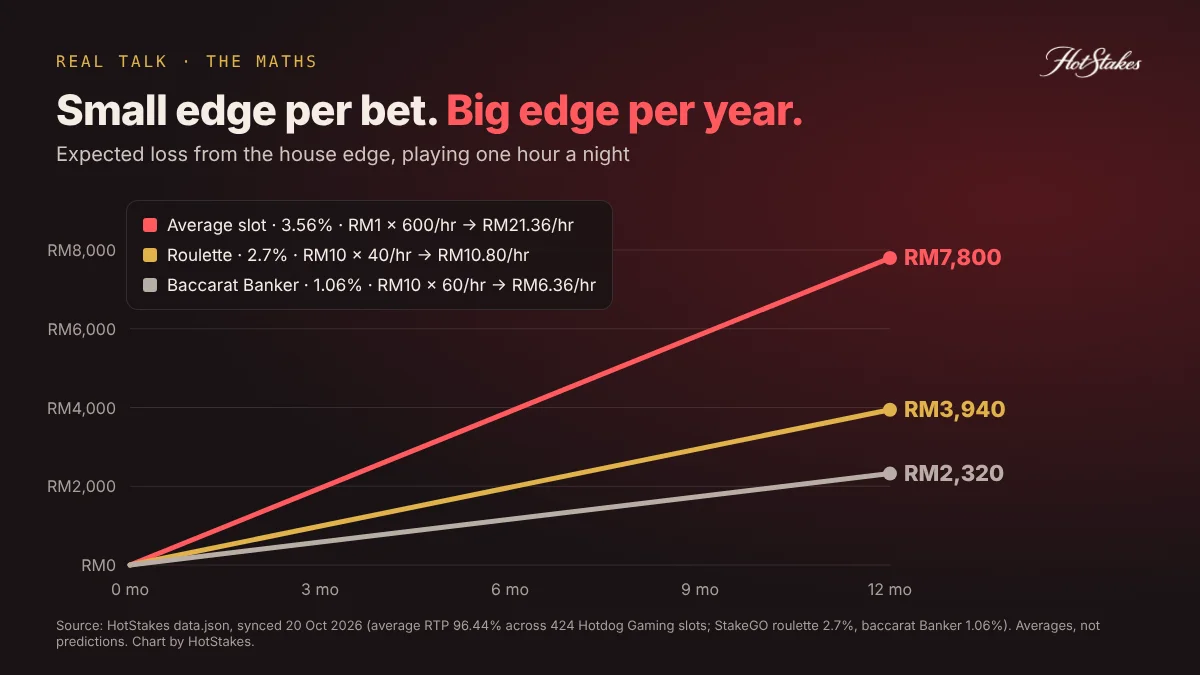
These are averages, not predictions. Any single night can end up or down, and high-volatility slots swing hardest. Our RTP vs volatility guide explains why, and the speed baccarat house edge explainer shows how faster rounds raise the hourly cost even when the edge stays the same.
Notice the “wagered” column. You don’t need RM600 to wager RM600. Small wins get re-bet, so the same RM100 can cycle through the machine many times. That is how a “cheap” RM1 game becomes a RM20-an-hour habit.
Loss-chasing makes it worse in three steps:
- You lose more than planned, so you raise the stake to “win it back”.
- A bigger stake doesn’t change the edge. It just multiplies the expected loss per hour.
- The deeper the hole, the stronger the pull to keep going. “Going back another day to win back money you lost” is one of the nine PGSI warning signs for a reason.
Takeaway: price gambling like any hobby. If RM20 an hour on average is fine for your budget, it’s entertainment. If you need to win to cover it, it isn’t.
Gambling good or bad? The signs side by side
| Area | Looks like entertainment | Looks like harm |
|---|---|---|
| Money | A set amount you can afford to lose | Rent, bills or borrowed money; “I’ll pay it back when I win” |
| After a loss | You stop and accept it | You go back to win it back |
| Stakes | Stay about the same | Keep rising to feel the same buzz |
| Time | Planned, with an end point | Late nights, lost hours, gambling at work |
| Feelings | Fun, social, easy to skip | Stress, guilt, secrecy, anxiety |
| Other people | Nobody is worried | Family or friends have raised it |
Takeaway: if more of your life sits in the right-hand column, take the self-check below.
Should I quit gambling? A 9-question self-check
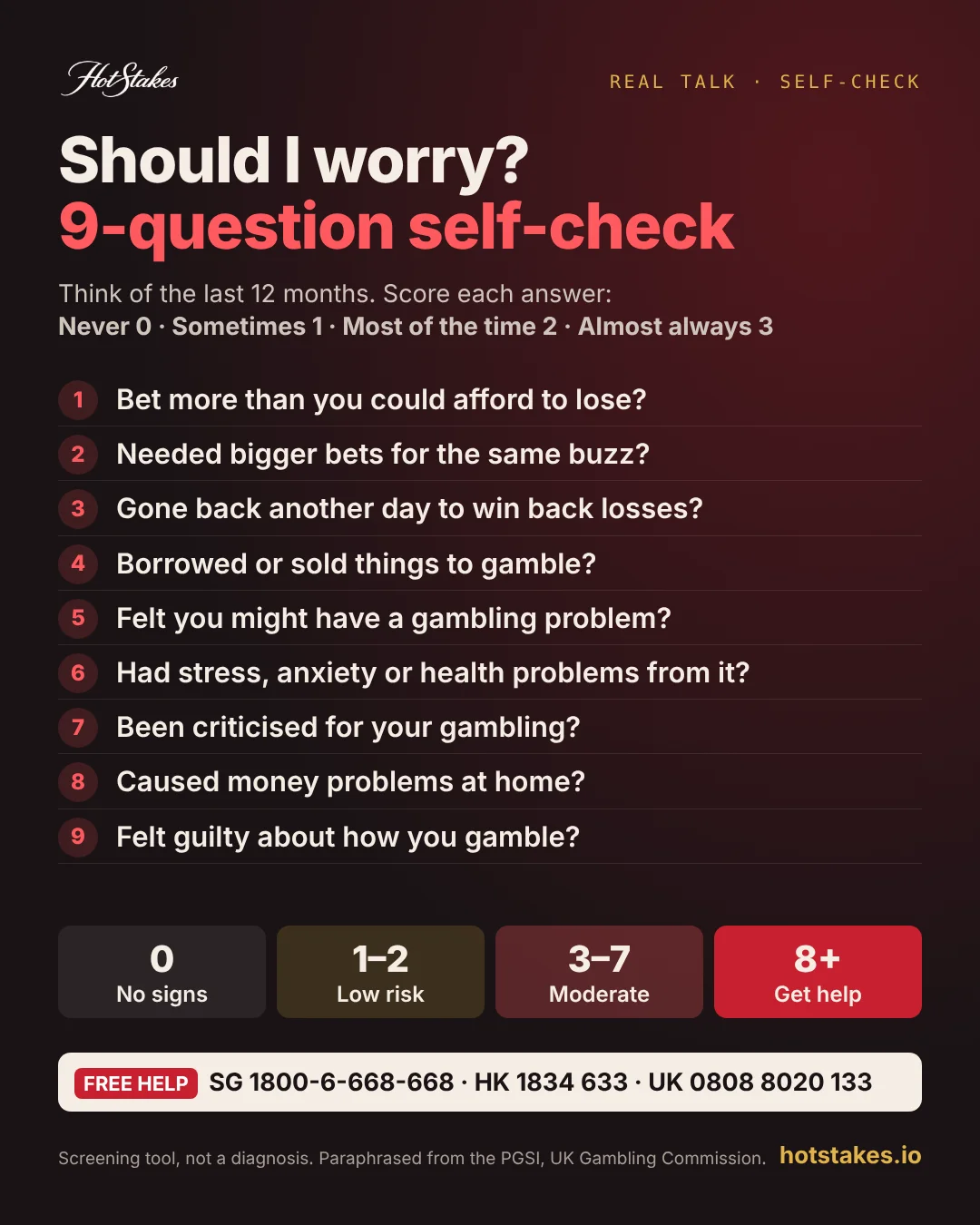
The Problem Gambling Severity Index is the screening tool used in national surveys, including Britain’s. Below is our plain-English paraphrase of the nine PGSI questions published by the UK Gambling Commission. Think about the last 12 months. Score each: never = 0, sometimes = 1, most of the time = 2, almost always = 3.
- Have you bet more than you could really afford to lose?
- Have you needed to bet more money to get the same excitement?
- Have you gone back another day to try to win back money you lost?
- Have you borrowed money or sold something to get money to gamble?
- Have you felt you might have a problem with gambling?
- Has gambling caused you health problems, including stress or anxiety?
- Have people criticised your betting or said you have a problem, whether or not you agreed?
- Has your gambling caused money problems for you or your household?
- Have you felt guilty about the way you gamble or what happens when you do?
Add up your score (0 to 27):
- 0: no signs reported.
- 1 to 2: low risk.
- 3 to 7: moderate risk.
- 8 or more: problem gambling range. Harm has likely happened and control may be slipping.
This is a screening tool, not a diagnosis. Only a qualified professional can assess you properly. A high score is a reason to talk to someone, not a label.
What to do with your score:
- 0 to 2: keep a fixed budget and time limit, and re-check if anything changes.
- 3 to 7: cut back now. Set up a bank gambling block or self-exclusion (below) and consider a call to a helpline.
- 8+: contact a helpline from the list below this week.
If you’re worried about someone else
You can’t take the test for them, but you can use the same nine questions as a guide to what you have seen.
- Talk when things are calm, not straight after a loss. Lead with worry, not blame.
- Think hard before paying off gambling debts. It can remove the pressure that leads to change.
- Protect your own money: separate accounts, and never share banking logins or one-time codes.
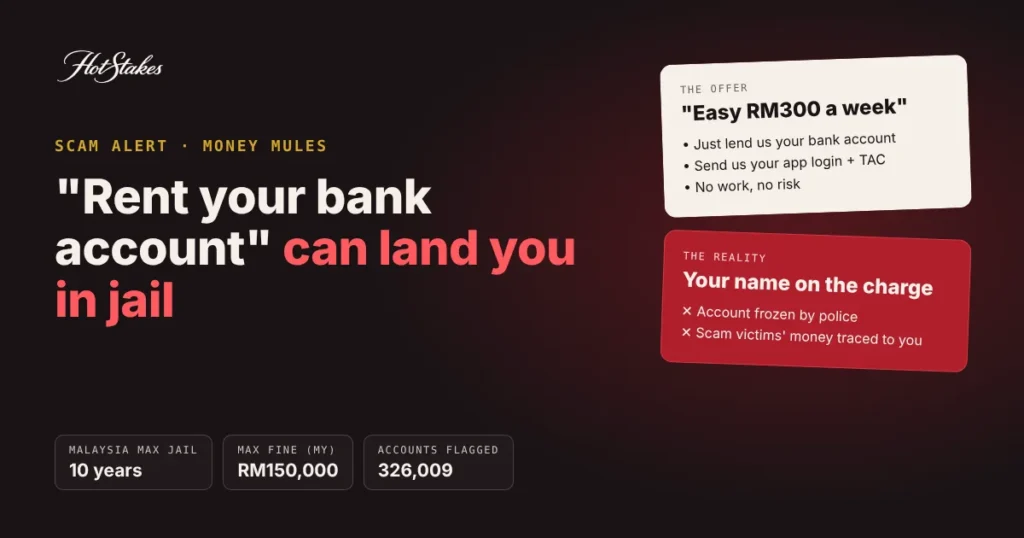
- Watch for scams that target people in debt, such as “rent your bank account” money mule offers, fake gambling apps and “recovery” services that promise to get losses back.
- Get support for yourself as well. In Singapore, families can apply for a Family Exclusion Order through the NCPG.
Takeaway: you aren’t overreacting by asking. The research counts you as affected too.
Tools that put distance between you and a bet
- Bank gambling blocks: many banks let you block card payments to gambling merchants in the app. In the UK, GamCare says removing a block comes with a cooling-off period, usually 48 or 72 hours. Ask your bank what it offers.
- Self-exclusion: Singapore offers self-exclusion and visit limits through NCPG. Australia’s BetStop lets you exclude yourself from all licensed online and phone wagering services in one step, per the Department of Social Services.
- Stay with licensed sites: unlicensed sites rarely honour limits or exclusions. Here’s how to spot an unlicensed online casino.
Takeaway: willpower works better with a locked door. Set the block on a good day, before you need it.
Where to get help
We checked each number below on official or major published pages on 20 Oct 2026. Malaysia has no dedicated national gambling helpline that we could confirm, so we list the government’s mental health line and a 24-hour emotional support line instead.
| Where | Service | Number | Notes |
|---|---|---|---|
| Singapore | National Problem Gambling Helpline (NCPG) | 1800-6-668-668 | Webchat also available |
| Hong Kong | Gambling counselling hotline (Ping Wo Fund centres) | 1834 633 | Run with four counselling centres |
| Malaysia | Talian HEAL (Ministry of Health) | 15555 | Mental health line, 8am to midnight daily; not gambling-specific |
| Malaysia | Befrienders KL | 03-7627 2929 | 24 hours, emotional support; not gambling-specific |
| Philippines | National Problem Gambling Helpline (PAGCOR) | 02-8248-9568 | 24/7, launched May 2026 |
| Philippines | NCMH Crisis Hotline | 1553 | 24/7 mental health crisis line |
| United Kingdom | National Gambling Helpline (GamCare) | 0808 8020 133 | Free, 24/7 |
| Australia | National Gambling Helpline / Gambling Help Online | 1800 858 858 | Free, 24/7; online chat too |
| India | Tele-MANAS (Ministry of Health) | 14416 | 24/7 mental health line; not gambling-specific |
If you feel unsafe or think about harming yourself, call your local emergency number now.
For more guides like this, see our safety guides.
FAQ
Is gambling bad for you if you only play occasionally?
Not usually. About three in four past-year gamblers in Britain’s 2024 survey reported none of the nine PGSI warning signs. Risk rises with frequency, fast products like online slots, chasing losses and gambling with money you need.
Why is gambling bad for your finances even if you sometimes win?
Every casino game has a house edge. In our data the average slot returns 96.44%, so over time you lose about 3.56% of everything you wager. At RM1 a spin and 600 spins an hour, that’s about RM21.36 an hour on average.
Who is most at risk of gambling problems?
Young adults, men and online slot players. In Britain, 10.2% of past-year gamblers aged 18 to 24 scored 8 or more on the PGSI, and the rate among online slot players was around five times the average.
Should I quit gambling?
Take the 9-question PGSI self-check. A score of 3 to 7 suggests cutting back and setting up blocks; 8 or more suggests contacting a helpline. It is a screening tool, not a diagnosis.
Does gambling affect people who don’t gamble?
Yes. The WHO says an average of six others, usually non-gamblers, are affected by each person gambling at high-risk levels. Harms include relationship breakdown and neglect of children.
HotStakes is an independent directory. Some links on this site are affiliate links; we may earn a commission at no cost to you, and it never changes our rankings. Gambling involves risk — only play with money you can afford to lose, and if it stops being fun, seek help. This article is general information, not legal advice.
 Next story →Wrong-Number Text Scam: The Script, Message by Message